
Wood Based Activated Carbon Manufacturer & Supplier
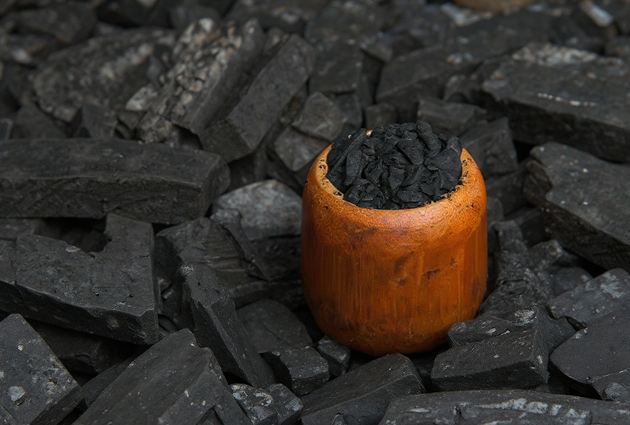
Granular Wood-Based Activated Carbon
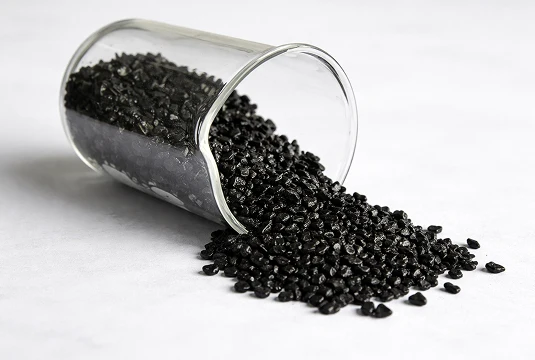
It is a high porosity, granular activated carbon and is derived from renewable wood sources. This versatile adsorbent is perfect for liquid-phase purification, offering excellent capacity for removing larger organic molecules.
Key Properties:
Features a high mesopore volume, making it highly effective for removing large organic compounds, color bodies, and tannins. The low ash content produced ensures higher purity during sensitive use cases.
Major Applications:

Beverage and Spirit Decolorization
Helps filter out unwanted color or flavor components from wines, spirits and juices to enhance the product.
Industrial Water Treatment
Purifies water streams containing large-molecular-weight organic compounds like humic acids and fulvic acids.
Food and Chemical Purification
Used in various processes to remove impurities and improve the quality of food-grade products and fine chemicals.
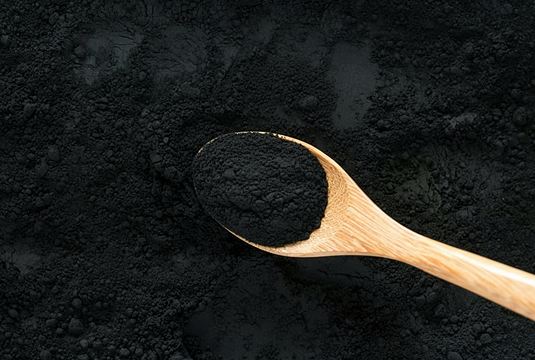
Powdered Wood-Based Activated Carbon
Finely pulverized activated carbon from wood. This exceptional-purity powder is the go-to choice for decolorization and purification in a wide range of food, pharmaceutical, and chemical processes.
Key Properties:
Known for its high surface area and extensive mesopore structure, it provides superior decolorization and a fast adsorption rate, ideal for rapid batch treatments.
Major Applications:
Pharmaceutical and API Purification
Removes color, odor, and organic impurities from active pharmaceutical ingredients, ensuring strict quality and safety standards are met.
Food and Beverage Decolorization
To remove color additives from sugar, syrups, and vegetable oils, and produce a cleaner final product.
Chemical Purification
Used in various chemical manufacturing processes to remove unwanted by-products, improving the purity and yield of the final chemical product.
Chocolate Industry
Powdered activated carbon (PAC) is used in chocolate manufacturing to decolorize and remove impurities from cocoa liquor and fats, ensuring a consistent color and quality. It is added in controlled amounts during processing and removed by filtration before final production.
Cosmetic industry
In the cosmetic industry, powdered activated carbon (PAC) is used to purify oils, extracts, and raw materials by removing colorants and impurities. It is added in controlled amounts and removed through filtration to ensure product safety and quality.
Best Practices for Using Wood-Based Activated Carbon
Selection & Sourcing
Match pore structure to application
Based on your application we can help you choose the best carbon.
Choose the right grade & form
Powdered Activated Carbon (PAC) for rapid adsorption in liquids, Granular Activated Carbon (GAC) for longer-term filtration or gas treatment.
Verify quality standards
Ensure compliance with relevant certifications (e.g., AWWA, EN, JIS) depending on intended use.
Check moisture & ash content
High moisture can reduce efficiency; low ash content is preferable for food, pharma, and high-purity applications.
Storage & Handling
Keep it dry
Moisture reduces adsorption efficiency and can lead to microbial growth in some applications.
Avoid contamination
Store away from strong odor producing compounds, chemicals, and dust.
Temperature control
Avoid excessive heat and direct sunlight to maintain pore structure integrity.
Rotate stock
First-in, first-out (FIFO) to avoid long storage times that may reduce performance.
Usage Guidelines
Avoid overloading
Ensure proper bed depth and flow rates to prevent premature saturation.
Flow rate control
Maintain optimal contact time: slower flow for better adsorption, but without clogging or channeling.
Disposal
Dispose responsibly
Follow environmental regulations for spent carbon disposal, especially if it contains hazardous substances.
Application-Specific Tips
Water Treatment
Backwash periodically to remove trapped solids and prevent biofouling.
Food & Beverage
Ensure food-grade standard; avoid chlorinated water in pre-treatment steps to prevent formation of unwanted byproducts.
Pharmaceuticals
Use sterile handling and GMP-compliant processes to prevent contamination.
Air & Gas Purification
Protect from high humidity to avoid reduced adsorption of VOCs and odors.
Chemical Processing
Pre-test carbon for compatibility with reactive chemicals to avoid degradation.
Frequently Asked Questions (FAQs)
What makes wood-based activated carbon different from other types?
What are some common applications for wood-based activated carbon?
- Food & Beverage: Decolorization of sugar, edible oils, wine, fruit juices.
- Chemical & Pharmaceutical: Decolorization of sugar, edible oils, wine, fruit juices.
- Industrial Processing: Wastewater decolorization, removal of large contaminants in liquid streams.
Is wood-based carbon suitable for water purification?
Should I use GAC or PAC form for wood-based carbon?
- Powdered Activated Carbon (PAC): Ideal for quick decolorization continuous dosing processes or in batches.
- Granular Activated Carbon (GAC): Useful for continuous systems like a fixed-bed process where flow-through removal of color and large molecules is needed.
Can wood-based carbon be regenerated?
How should I store wood-based activated carbon?
How fast does wood-based carbon work for decolorization?
Can you help pick the right wood-based activated carbon for my process?
Connect with an Expert
Reach out to our technical team at info@globaladsorbents.com