
Coconut Shell-Based Activated Carbon Manufacturer & Supplier
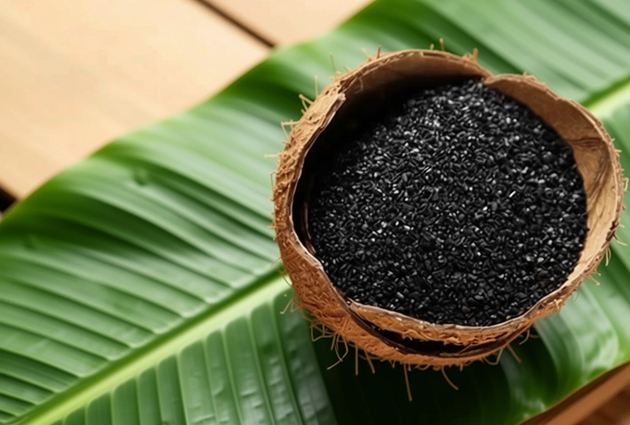
Granular Coconut Shell-Based Activated Carbon
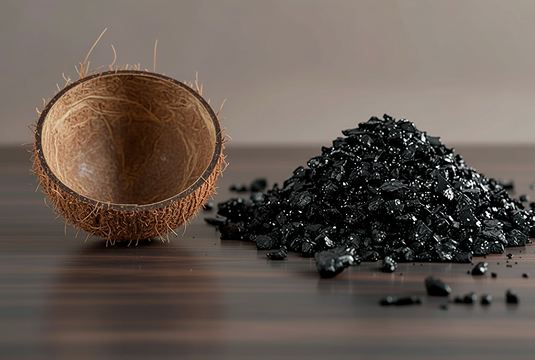
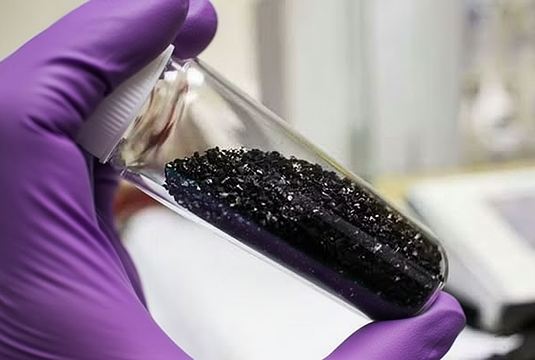
Highly porous granular activated carbon from coconut shells. This eco-friendly adsorbent excels in purifying water, air, and various liquids, ensuring superior filtration performance and high-purity results.
Key Properties:
it is fruit based.
Major Applications:

Drinking Water Purification
Removes chlorine, THMs, and other organic contaminants to improve taste and odor for safe drinking water.
Industrial Water Treatment
Effectively purifies process water, wastewater, and groundwater, meeting strict environmental discharge regulations.
Gold Recovery
Adsorbing dissolved gold cyanide complexes from the leach solution during the cyanidation process. It provides a large surface area and strong affinity for gold ions, making extraction efficient and cost-effective.
Condensate Polishing Unit
Removes organic contaminants, chlorine, and trace impurities from the condensate water. This ensures protection of ion-exchange resins and improved steam cycle efficiency in power plants.
Cigarette Filter
Adsorbs harmful gases like acetaldehyde, hydrogen cyanide, and volatile organic compounds from smoke. This reduces toxic exposure and improves taste smoothness for the smoker.
Per- and Polyfluoroalkyl Substances
Coconut shell-based activated carbon is highly effective for PFAS removal due to its high microporosity and large surface area, enabling strong adsorption of these persistent compounds. Typically, dosing and bed design depend on PFAS concentration and water flow, but its superior adsorption capacity makes it a preferred choice in treatment systems.
Air Purification
Captures odors, volatile organic compounds (VOCs), and airborne chemicals through adsorption. This results in cleaner, fresher, and healthier indoor air quality.
Activated Carbon for Gas Mask and Respiratory Cartridge:
1. Non-Impregnated COCO GAC. Add link to Gas mask and respiratory cartridge page
2. Impregnated Coconut shell Granular Activated Carbon filters – for manufacturing ABEK filters.
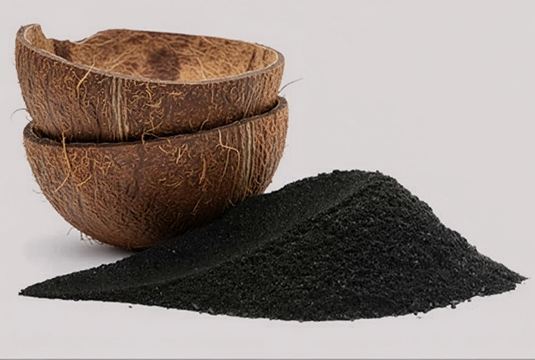
Powdered Coconut Shell-Based Activated Carbon
Finely milled powdered activated carbon from coconut shells. This highly adsorbent powder is perfect for quick, efficient purification in industrial and chemical processes, offering rapid contact time.
Key Properties:
Large surface area with rapid kinetics for quick adsorption. Effectively removes impurities, color, and odor. It is a cost-effective solution while processing batches though requiring immediate purification.
Major Applications:
Food and Beverage Decolorization
Removes unwanted color and impurities from sugar, juices, and spirits, ensuring a visually appealing final product.
Pharmaceutical Purification
Helps remove organic impurities such as pyrogens, etc. from active pharmaceutical ingredients (APIs), ensuring a final product that is uncompromising in safety and quality.
Wastewater Treatment
Removes dyes, heavy metals, and other organic pollutants from industrial and municipal wastewater streams.
Best Practices for Coconut Shell-Based Activated Carbon
Coconut shell-based activated carbon is known for its high hardness, microporous structure, and long service life. Its micropores are particularly effective for removing small molecular weight organic compounds and certain heavy metals. The following best practices apply across all major industrial, environmental, and consumer uses.
Storage & Handling
Keep Dry
Store in airtight containers or moisture-proof packaging to prevent the carbon from adsorbing atmospheric humidity or odors before use.
Avoid Contaminants
Keep away from strong odors, chemicals, and dust. Even small contamination can affect adsorption performance.
Temperature Control
Store in cool, shaded areas to prevent degradation.
Activation & Pre-Use Preparation
Check for Dust
Sieve or rinse lightly to remove fine particles if required by the application (especially in water purification).
pH Conditioning
For sensitive food/beverage or pharmaceutical uses, pre-rinse with clean water until neutral pH is achieved.
Regeneration Awareness
If reusing, ensure regeneration is done within recommended conditions to prevent pore damage.
Maintenance & Regeneration
Thermal Regeneration
For industrial reuse, follow temperature and atmosphere guidelines (typically 800–900°C in steam or inert gas) to restore capacity without damaging micropores.
Chemical Regeneration
Use only where applicable, ensuring compatibility with coconut shell carbon’s structure.
Replacement Cycle
Monitor adsorption breakthrough and replace or regenerate before performance declines significantly.
Safety Considerations
Fire Risk
Avoid exposure to strong oxidizers and ignition sources; activated carbon can self-heat if saturated with certain organics.
Dust Control
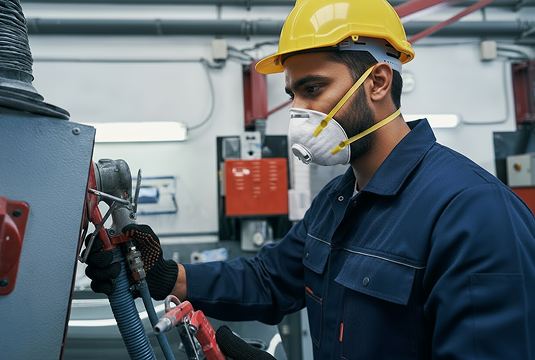
Use dust masks during handling to avoid inhalation of fines.
Spill Response
Clean spills with vacuum systems designed for fine particulates.
Frequently Asked Questions (FAQs)
What is Coconut Shell-Based Activated Carbon?
What are the major applications of Granular Coconut Shell-Based Activated Carbon?
How does Powdered Coconut Shell-Based Activated Carbon differ from Granular and Extruded forms?
Can Coconut Shell-Based Activated Carbon be regenerated?
What are the best practices for handling Coconut Shell-Based Activated Carbon?
Connect with an Expert
Reach out to our technical team at info@globaladsorbents.com