
Wastewater Tertiary Treatment, Heavy Metal Removal with Activated Carbon
As industrial and municipal sectors face stricter discharge regulations, tertiary treatment has become a critical barrier to prevent environmental contamination.
Among the available technologies, activated carbon remains a cornerstone for the removal of COD, BOD, and TOC removal.
Activated carbon effectively removes soluble organic compounds—measured as Chemical Oxygen Demand (COD), Biochemical Oxygen Demand (BOD), and Total Organic Carbon (TOC)—through physical adsorption onto its highly developed internal microporous structure.
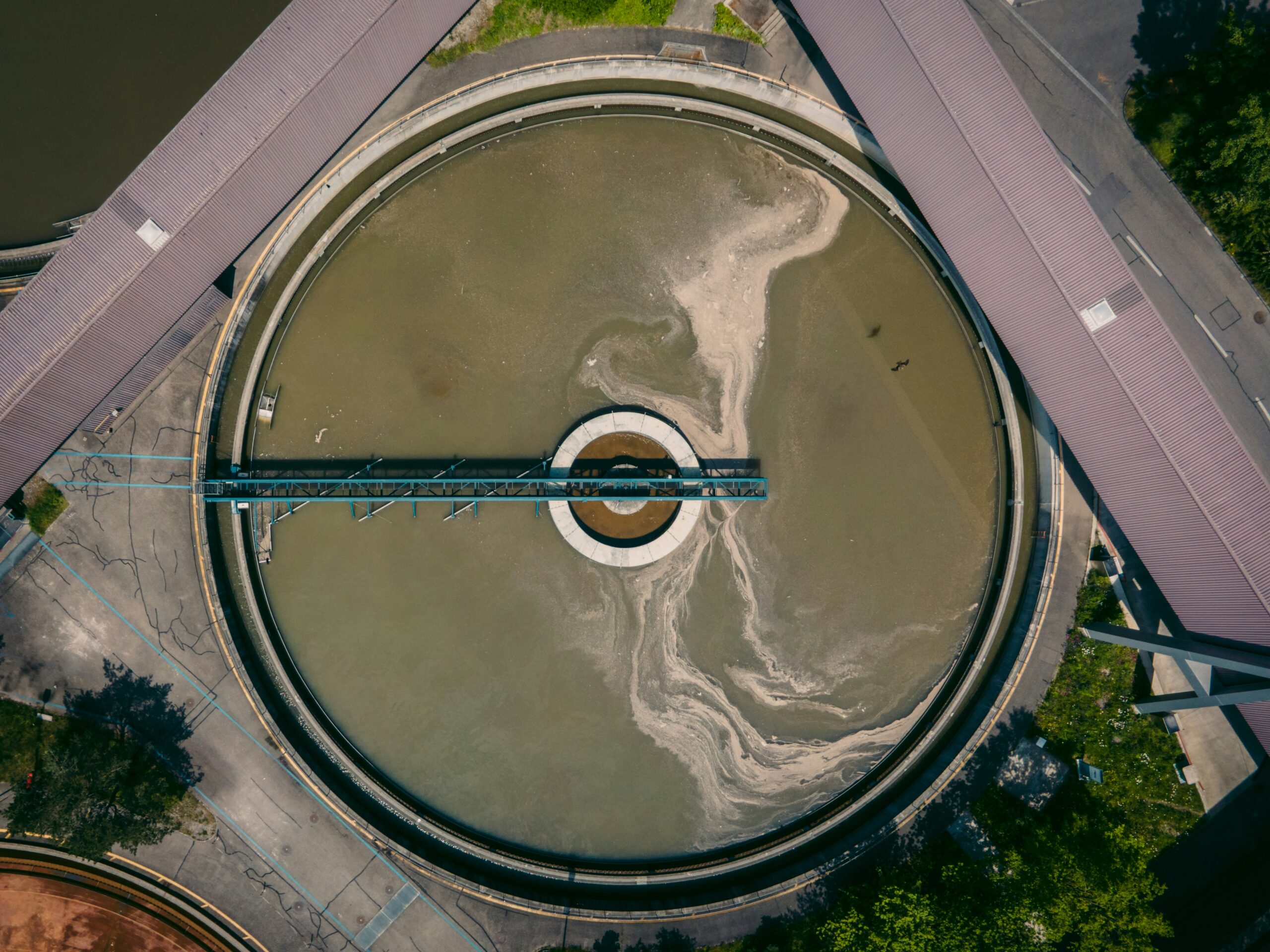
Understanding Your Activated Carbon Medium

Source Materials:
- Coconut Shell based activated carbon: Known for its high hardness and microporous structure, it is ideal for applications requiring high mechanical strength and consistent performance in fixed-bed systems.
- Coal based activated carbon: Offers a balanced pore structure (macro- and micropores), making it exceptionally versatile for removing a wide spectrum of pollutants.
- Wood based activated carbon: Characterized by its large macropores, wood-based carbon excels in applications requiring the removal of larger molecules and is often chemically activated for specific selectivity.
Physical Forms:
- Granular Activated Carbon (GAC): The industry standard for continuous, long-term filtration in fixed-bed columns. GAC is highly favored for its ability to be thermally regenerated and reused, offering a sustainable path for large-scale operations.
- Powdered Activated Carbon (PAC): Highly effective for batch treatments or emergency response during spikes in contaminant concentrations. Its micron-sized particles provide rapid adsorption kinetics but are typically not recovered.
info@globaladsorbents.com
4 factors to consider before you make a decision to buy activated carbon for Wastewater Tertiary Treatment, Heavy Metal Removal
Regeneration Viability: If your operation is large-scale, prioritize GAC types that support thermal regeneration. This significantly reduces your long-term operating expenses compared to constant procurement of virgin filter media.
Contaminant-Specific Selectivity: Do not buy “general purpose” activated carbon if your goal is heavy metal removal. Ask us for performance data regarding your specific heavy metals of concern to avoid over-spending on under-performing grades.
Mechanical Stability (Hardness): In high-pressure industrial filtration systems, some grades of activated carbon can break down into “fines,” leading to pressure drops and channelization. Global adsorbents will provide you with activated carbon that has a high abrasion number to minimize downtime.
Regulatory Compliance Support: Global Adsorbents Pvt. Ltd. provides more than just activated carbon — we will provide documentation and data sheets that simplify your audit and compliance reporting processes with environmental agencies.
3 Best Practices for Optimization of activated carbon for Wastewater Tertiary Treatment, Heavy Metal Removal
1. Surface Modification:
Utilize chemically modified carbons (e.g., oxidation or metal-sulfide impregnation) when treating specific or complex metal-laden streams to boost capacity by up to 140% compared to virgin carbon.
2. Extended Contact Time:
Heavy metal removal kinetics are often slower than organic adsorption. Ensure an appropriate Empty Bed Contact Time (EBCT) to allow the ions to fully diffuse into the internal pore structure.
3. Sequential Filtration:
Use activated carbon as a “polishing” step. Pre-treating wastewater with coagulation or flocculation reduces the total metal load, allowing the activated carbon to focus on reaching target “near-zero” discharge levels.