
Activated Carbon Manufacturer for Food, Beverage & Sugar Decolorization Applications
Global Adsorbents manufactures activated carbon with high specific surface area and pore-size distributions for specific industry applications.
Activated carbon selectively adsorbs soluble colour bodies, taste-altering compounds, and organic impurities without altering the core nutritional or chemical profile of foods and beverages.
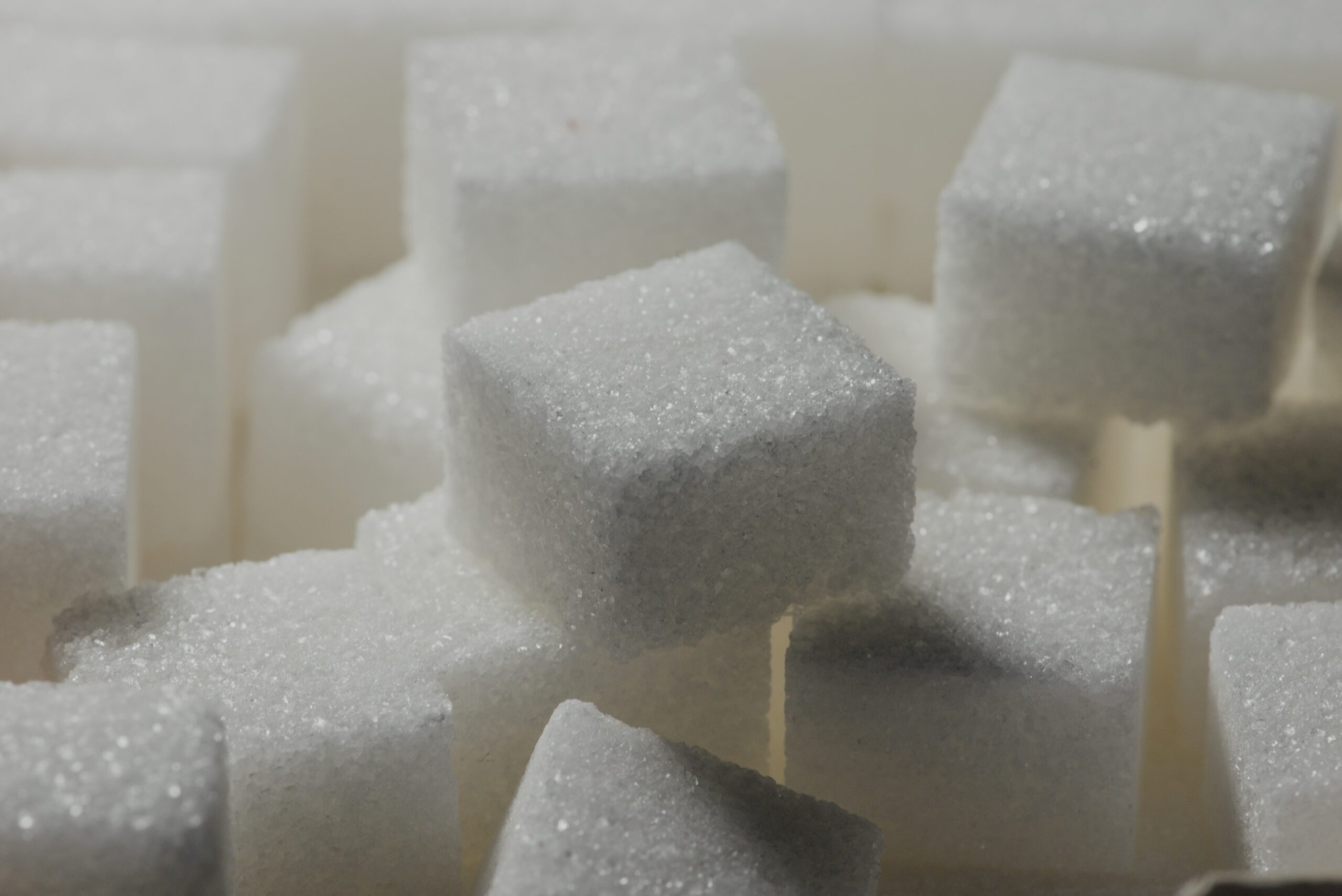
How activated carbon works for purification of foods, beverages and sugar decolorization
The purification efficacy of activated carbon relies on physical adsorption, driven by Van der Waals forces within an extensive internal network of pores.
Micropores (<2nm) adsorb taste and odour molecules, residual solvents, and impurities.
Mesopores (2-50nm) actively help in decolorization, providing space colour components like caramels, melanoidins and polyphenols to reach internal adsorption points.
- Macropores (>50nm) faster processing time due to rapid absorption inside the pores.
info@globaladsorbents.com
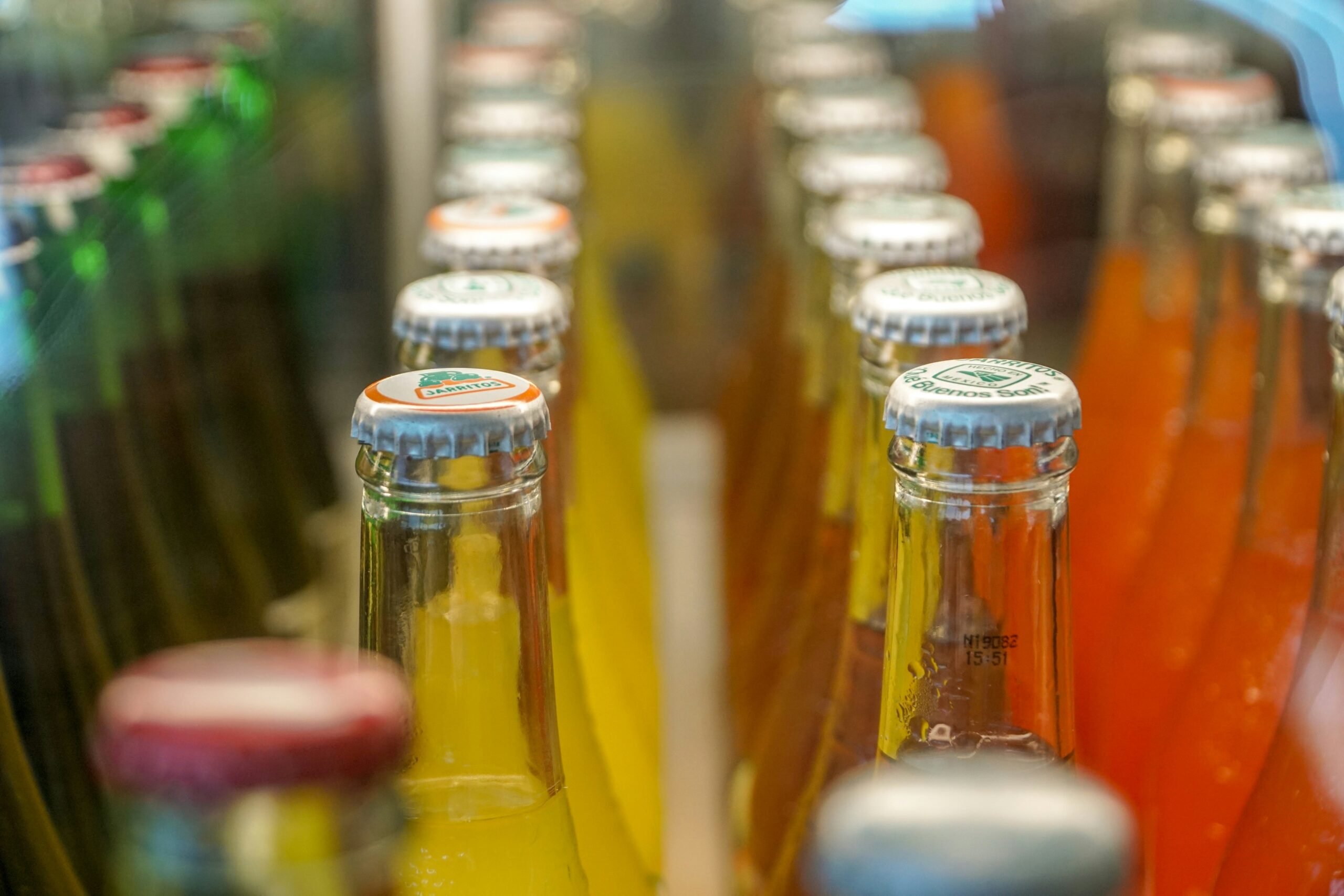
4 Key industrial applications of Activated Carbon for Food, Beverage & Sugar Decolorization

Sugar Decolorization (For both Cane & Beet Sugar) – Producing sugar that is crystal-clear, high-purity and white.
Beverage Purification & Water Treatment – Producing beverages with no compromise on taste, aroma and shelf life.
Alcoholic Beverages (Spirits, Wine, & Beer)
Edible Oils & Glycerine
4 Key industrial applications of Activated Carbon for Food, Beverage & Sugar Decolorization
1. Sugar Decolorization (For both Cane & Beet Sugar) –
Producing sugar that is crystal-clear, high-purity and white.
During sugar refining, raw cane or beet juices contain complex polyphenols, flavonoids, and high-molecular-weight colour elements, these are resistant to most other methods of decolorization.
- Grade Selection: Powdered Activated Carbon (PAC) is typically injected directly into the liquor stream, followed by filtration. Granular Activated Carbon (GAC) columns are utilized in continuous-flow refining loops.
- Performance Metric: Efficient removal of ICUMSA (International Commission for Uniform Methods of Sugar Analysis) colour units, ensuring a crystal-clear, high-purity white sugar product.
2. Beverage Purification & Water Treatment –
Producing beverages with no compromise on taste, aroma and shelf life.
Water is the primary ingredient in production of soft drinks, beers, bottled water and other beverages.
- Contaminant Target: Chlorine, chloramines, geosmin, 2-methylisoborneol (MIB), and volatile organic compounds (VOCs).
- Application: GAC carbon beds are deployed in fixed-bed adsorbers for de-chlorination and polishing prior to beverage blending.
3. Alcoholic Beverages (Spirits, Wine, & Beer)
- Spirits: Used to eliminate specific congeners, optimisation of fusel oils to ensure taste and flavours are as per brand standards, and unwanted colour tints in clear spirits like vodka and white rum.
- Wine & Beer: Applied for selective stabilization, haze prevention, and removal of unwanted flavours resulting from oxidation or contamination.
4. Edible Oils & Glycerine
- Purification: Removes polycyclic aromatic hydrocarbons (PAHs), heavy metals, and residual pigments (chlorophyll, carotenoids) from vegetable and animal oils.
Quality & Regulatory Compliance Standards
Food Chemicals Codex (FCC): Compliance with purity standards regarding heavy metals, ash content, and acid-soluble matter.
NSF/ANSI Standard 61: Certification for drinking water and beverage processing components.
Acid-Washed Grades: Low iron and ash variants designed to prevent mineral leaching and pH spikes in sensitive beverage matrices.
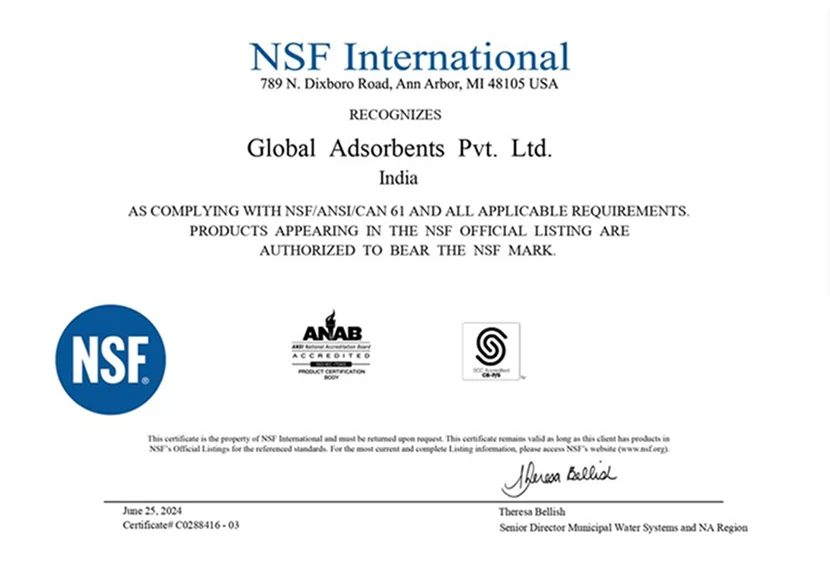
NSF Certification
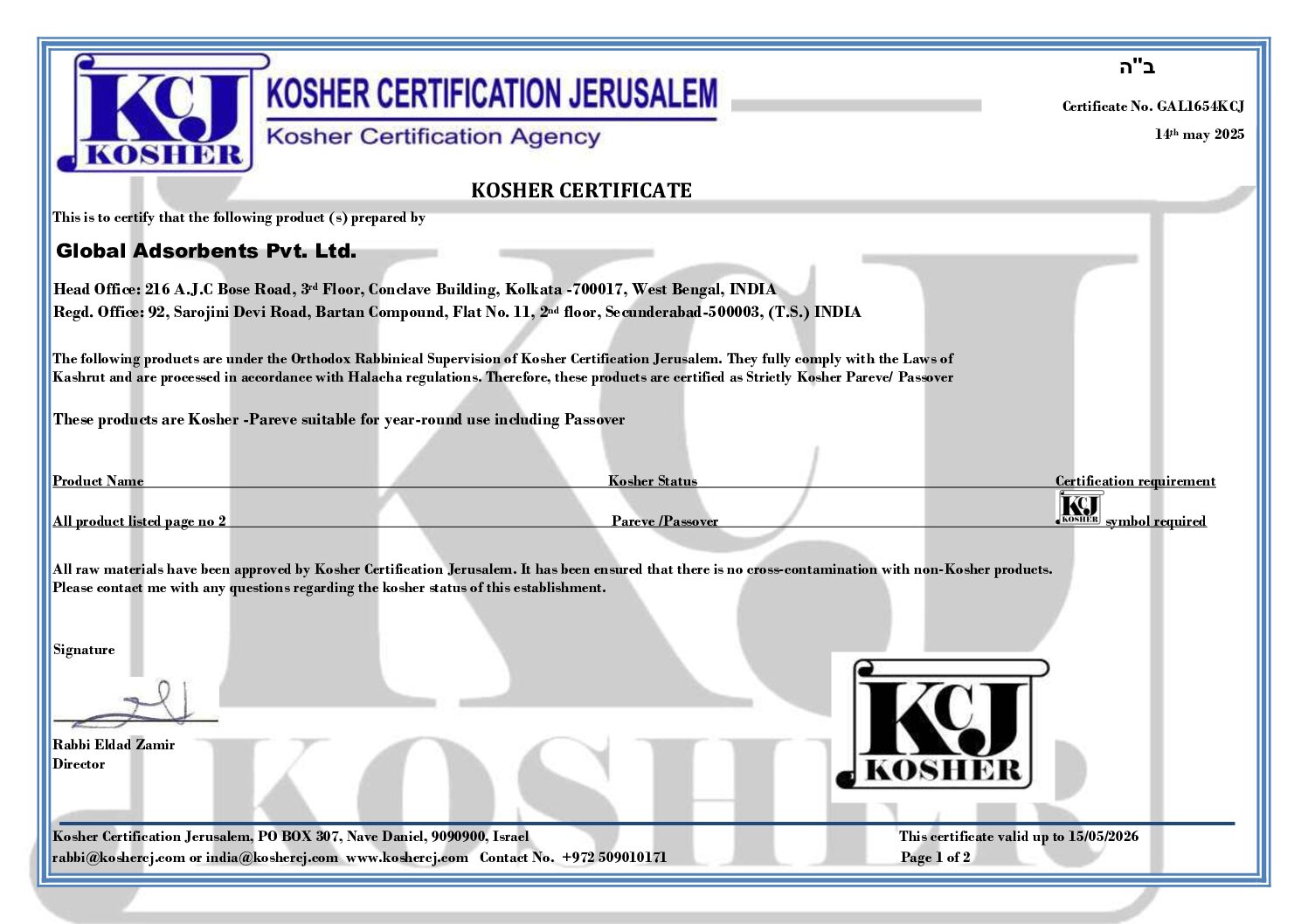
Kosher Certification (Kosher Certification Jerusalem)
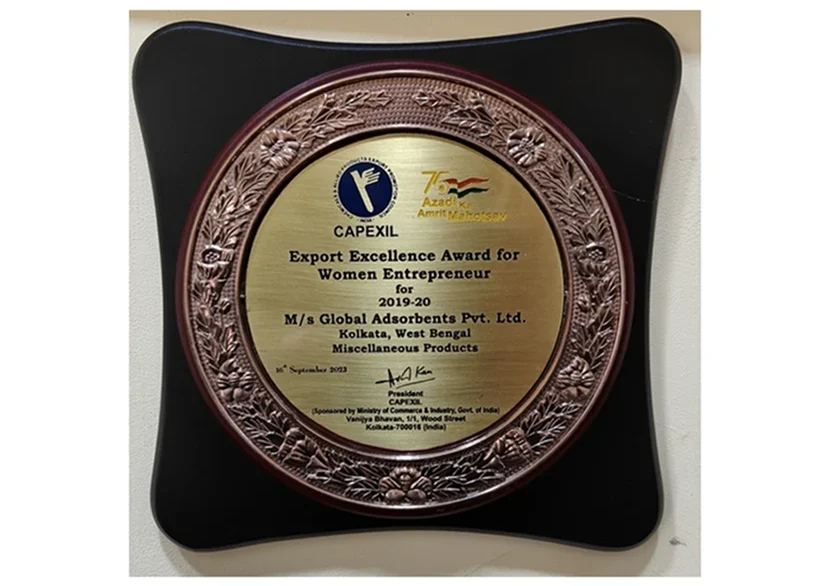
Export Excellence Award (2019) – Women Entrepreneur Recognition
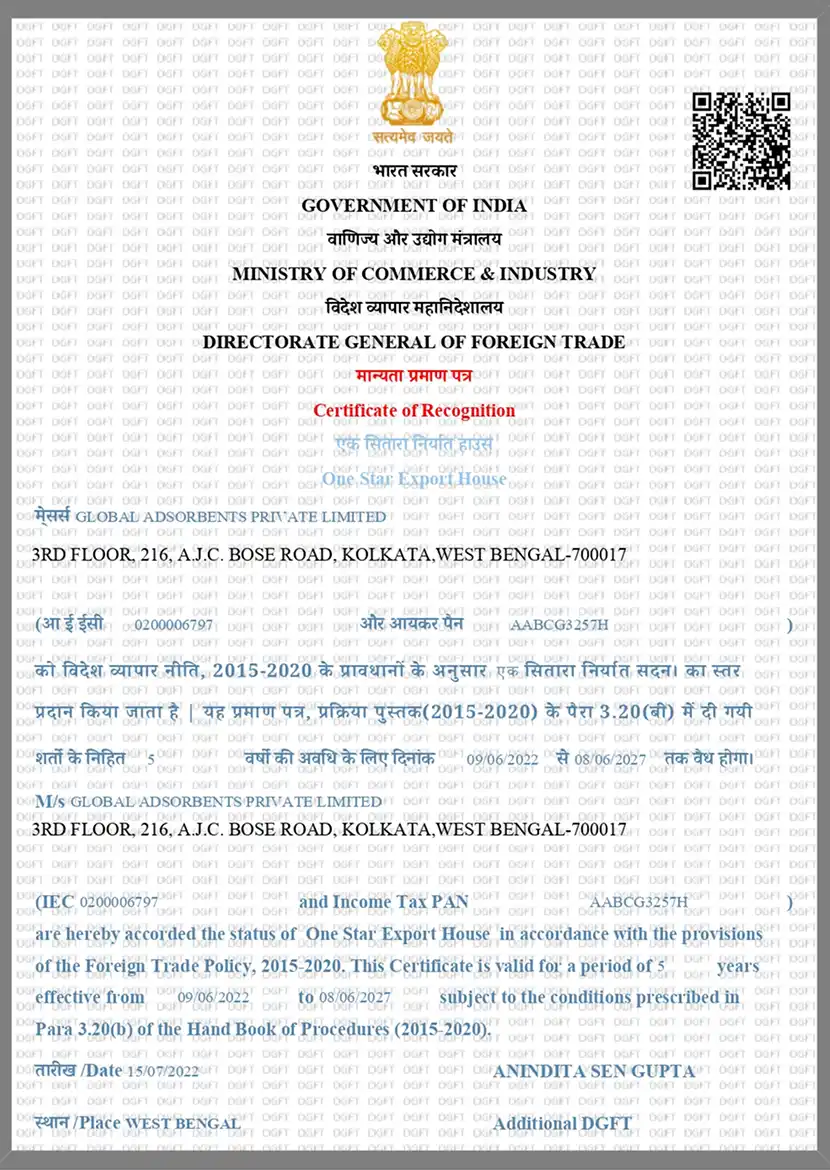
Star Export House — Recognised by the Government of India
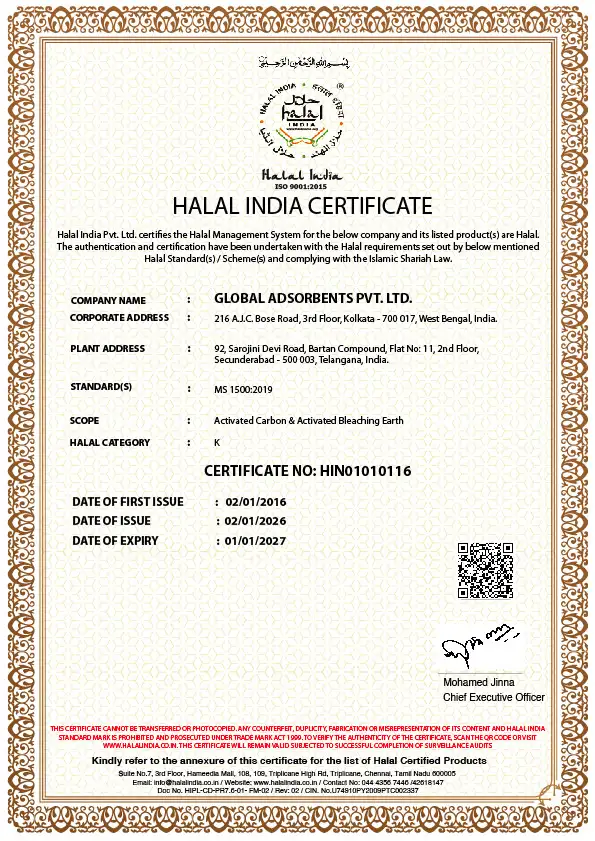
Halal Certification (Halal India)
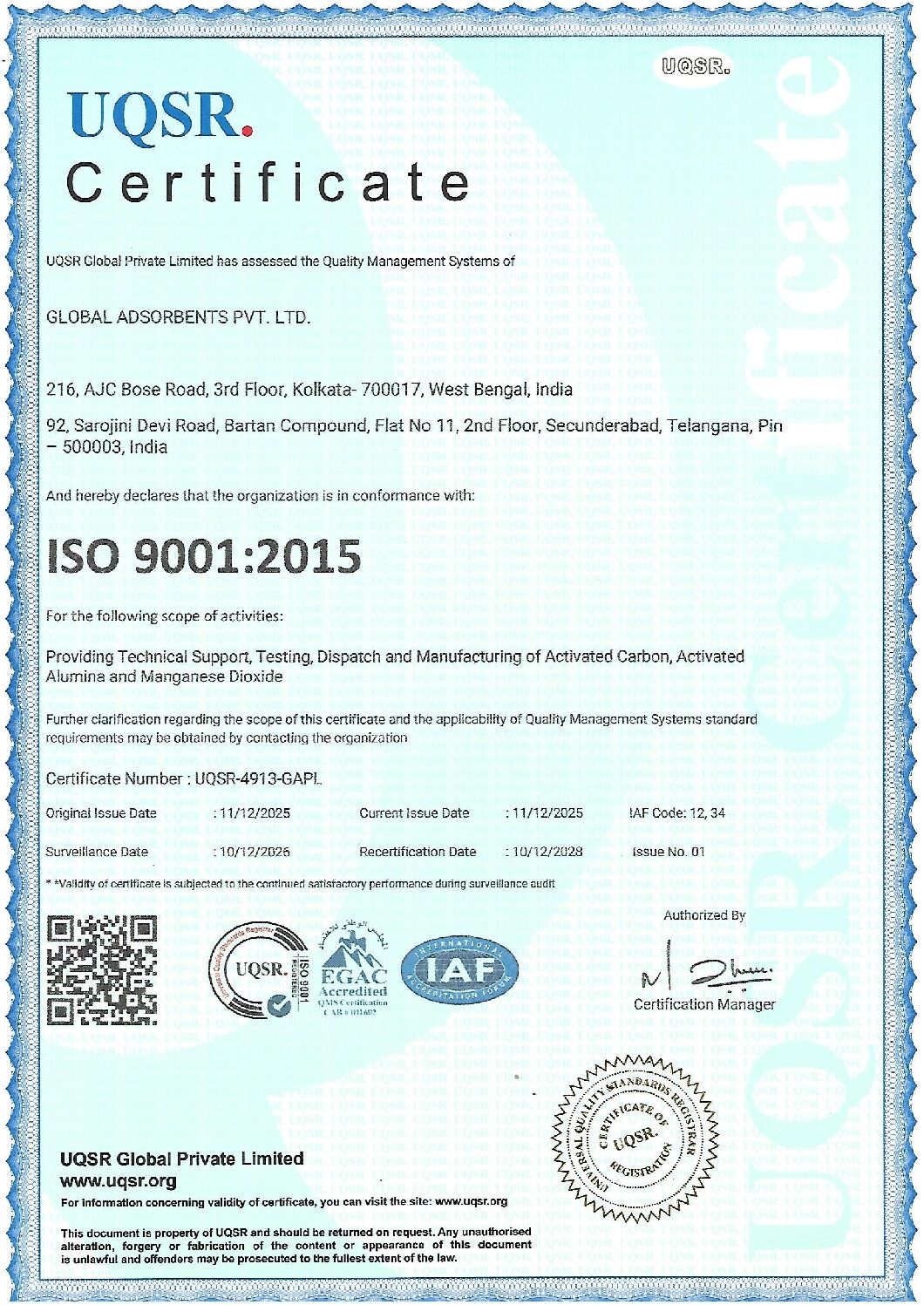
ISO 9001:2015 Certification
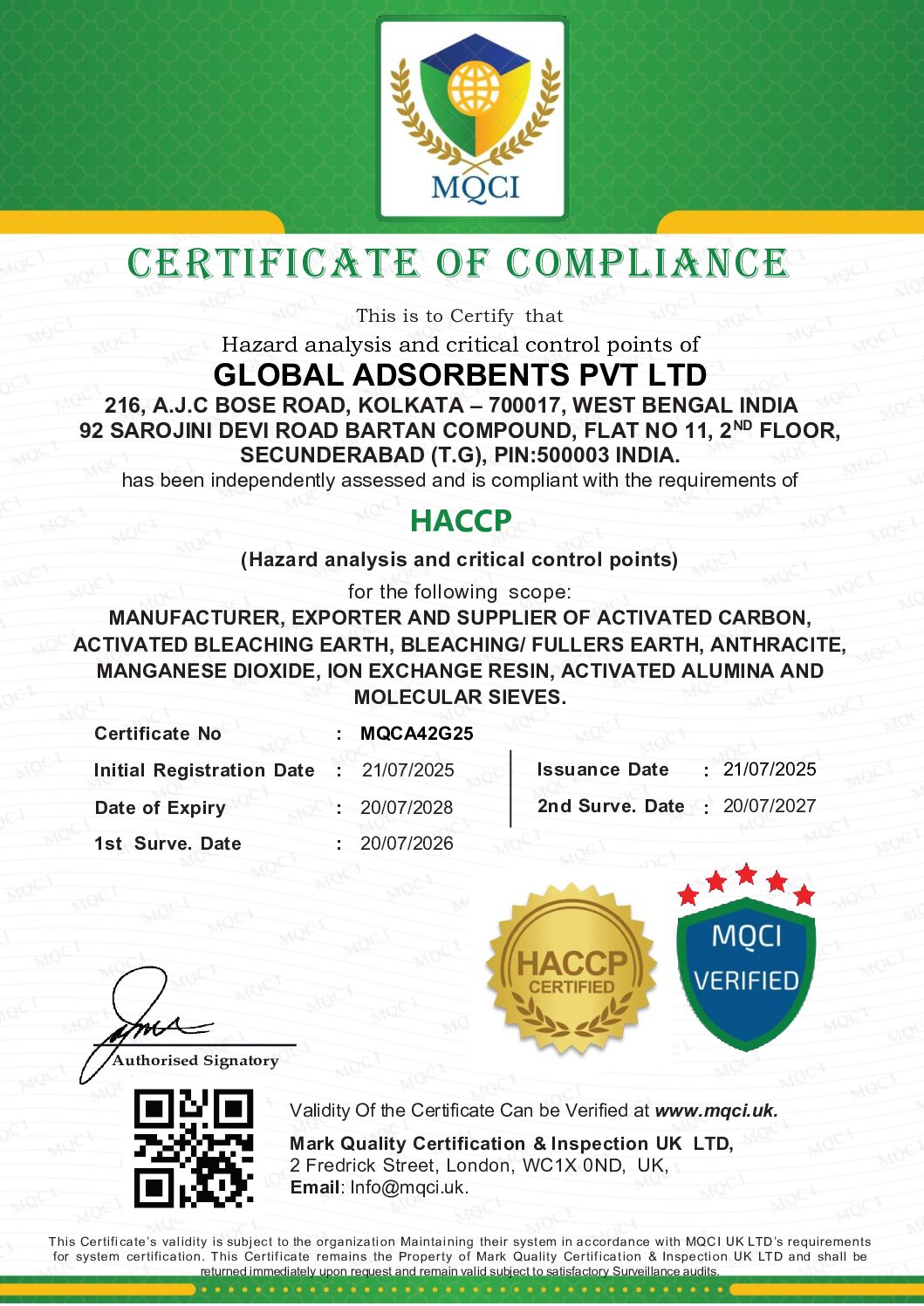
HACCP (MQCI)