
Coal-Based Activated Carbon for Industrial Applications
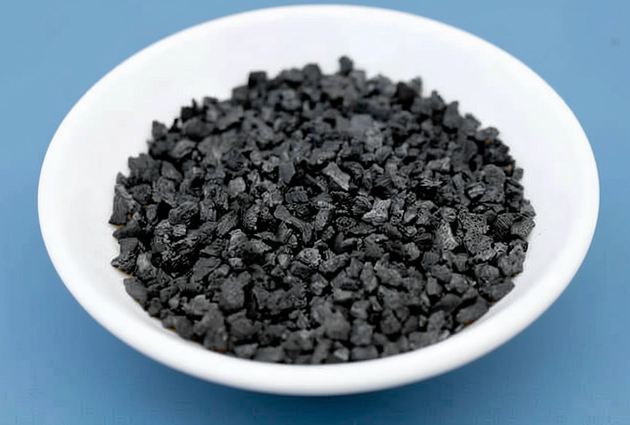
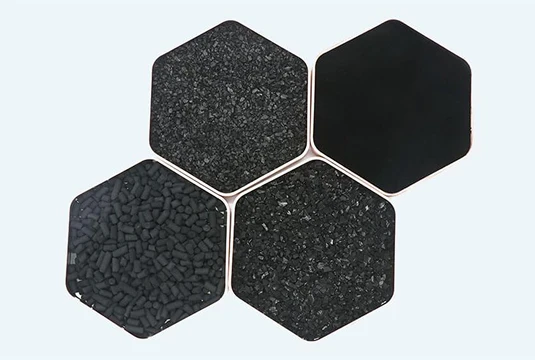
Granular Coal-Based Activated Carbon
Key Properties:
Features a diverse pore structure for broad-spectrum adsorption of both small and large molecules. Its superior hardness and low dust generation ensure minimal pressure loss and long service life.
Key Properties:

Drinking Water Treatment
Effectively removes chlorine, disinfection byproducts, and organic compounds, ensuring safe and pleasant-tasting municipal water.
Groundwater and Wastewater Treatment
Adsorbs industrial pollutants, pesticides, and other contaminants, helping your facility meet rigorous environmental discharge standards.
Industrial Process Water
Purifies water used in manufacturing and processing, protecting equipment and ensuring consistent product quality.
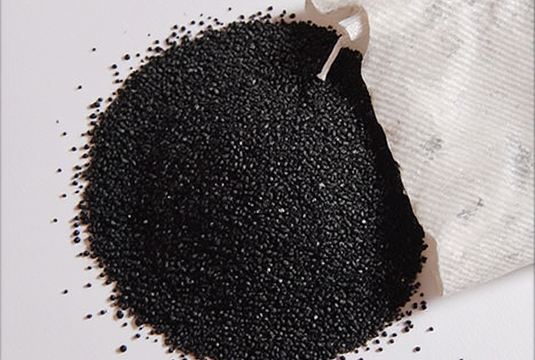
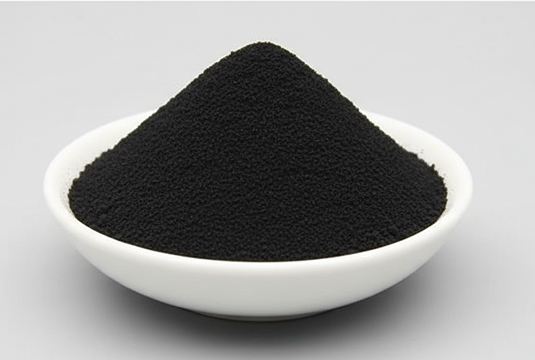
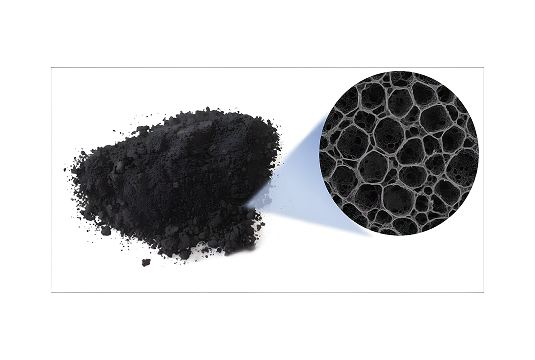
Powdered Coal Based Activated Carbon
A fine, versatile and rapid-acting adsorbent, it is essential for batch processes in liquid-phase applications requiring quick and efficient purification.
Key Properties:
Offers an immense surface area for fast kinetics, making it highly effective for rapid decolorization and impurity removal in a variety of industrial liquids.
Major Applications:
Food and Beverage Purification
Pharmaceutical Decolorization
Removes unwanted color and organic impurities from active pharmaceutical ingredients (APIs), crucial for meeting product specifications.
Wastewater and Spill Cleanup
Quickly neutralizes a wide range of pollutants, a reliable solution for emergency response and batch treatment of industrial waste.
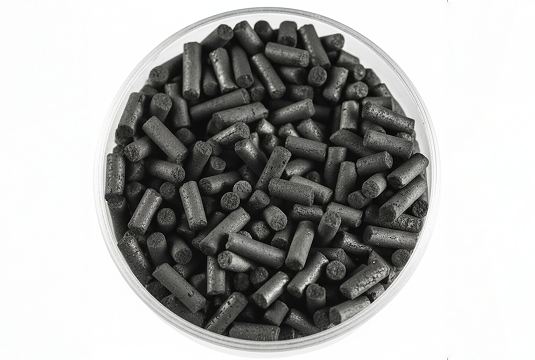
Extruded coal based activated carbon
Its uniform shape and high mechanical strength are specifically engineered for gas-phase applications and solvent recovery systems.
Key Properties:
High density and low pressure drop make it perfect for air filtration. The consistent pore structure and pellet size ensure a reliable adsorption performance and smooth airflow.
Key Properties:
Air and Gas Purification
Captures volatile organic compounds (VOCs) and odors from industrial exhaust streams, ensuring a safer working environment and regulatory compliance.
Solvent Recovery Systems
Efficiently adsorbs and desorbs valuable organic solvents from air, allowing for their reclamation and reuse to reduce operating costs.
Mercury and Acid Gas Removal
Used in power plants and industrial processes to capture mercury and other harmful gases from flue gas emissions.
Best Practices – Coal-Based Activated Carbon
Coal-based activated carbon is valued for its high density, large pore volume, and robust mechanical strength, making it suitable for water treatment, air purification, metal recovery, and industrial process streams. The following best practices ensure maximum efficiency, longevity, and cost-effectiveness.
Selection & Sourcing
Match pore size to application:
- Microporous grades gas phase adsorption, VOC removal.
- Mesoporous grades liquid phase adsorption, organic removal from water.
Specify required particle size
Granular (GAC) for continuous systems, Powdered (PAC) for batch or short contact time.
Handling & Storage
Store in cool, dry, and ventilated areas to prevent moisture consumption.
Keep the package sealed until use to avoid premature adsorption of any nearby contaminants.
Avoid exposure to oils, chemicals, or fine dust that can block pores.
System Design Considerations
Bed depth
Maintain adequate depth (typically ≥ 1 m for water treatment) to ensure complete adsorption.
Contact time
Maintain EBCT (Empty Bed Contact Time) within the manufacturer’s guided range for best performance.
Flow rate
Avoid high velocities that cause channeling or excessive pressure drop.
Pre-filtration
Remove suspended solids before carbon contact to prevent fouling.
Operation & Maintenance
Monitor breakthrough
Track contaminant levels at the outlet; replace or regenerate carbon before breakthrough exceeds limits.
Backwashing (GAC systems)
Periodically backwash to remove accumulated solids and reclassify the bed.
Avoid rapid hydraulic shocks that can break down granules and create fines.
Regeneration & Replacement
Thermal regeneration
For large-scale use (e.g., in refineries, water utilities), coal-based carbon can be reactivated multiple times.
Off-site reactivation
Partner with certified facilities to ensure safe, controlled reactivation.
Replace with fresh carbon if reactivation is not feasible or if contaminants are non-regenerable.
Safety & Environmental Management
Avoid inhaling carbon dust—use masks and adequate ventilation.
Follow local regulations for spent carbon disposal—contaminated carbon may be classified as hazardous waste.
Prevent spontaneous combustion risk by keeping spent carbon wet until disposal or regeneration.
Connect with an Expert
Reach out to our technical team at info@globaladsorbents.com
Call our filtration specialists at +91-33-4044-8444