
Activated Carbon Products manufactured by Global Adsorbents
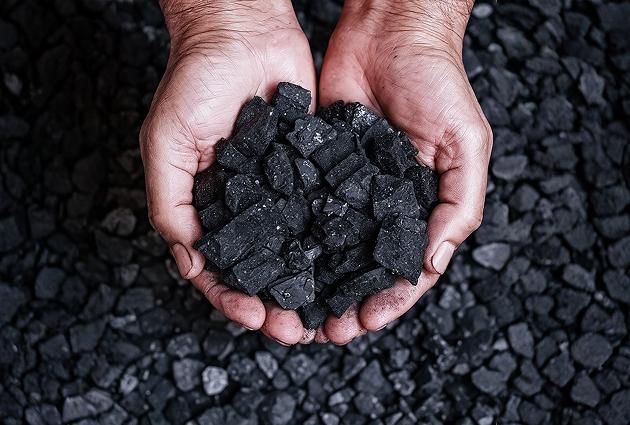
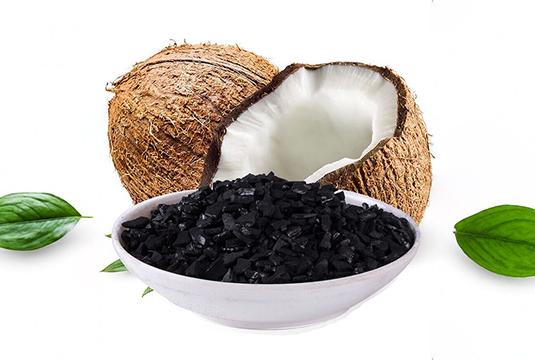
Coconut Shell based Activated Carbon
Key Properties:
Exceptionally hard, high-density granules with a pore structure dominated by micropores, offering superior mechanical strength and adsorption for small molecules.
Major Applications:
Ideal for high-purity drinking water, gold recovery processes, solvent recovery, Condensate Polishing Unit, Cigarette Filter, Gas Masks and Respirators, Air Purification and specialized air purification where durability and high adsorption capacity are critical.
Core strengths:
Its high hardness minimizes product loss and dust, ensuring a longer lifespan and consistent performance in your filtration and recovery systems.
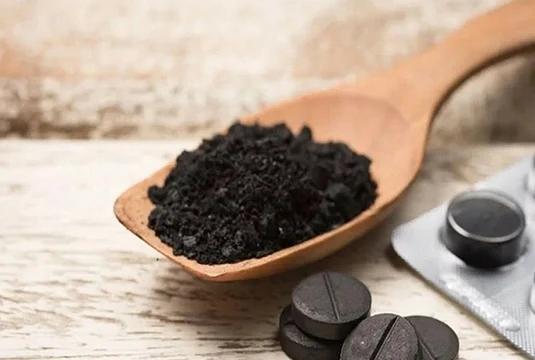
Wood based Activated Carbon
Key Properties:
Lower density with a highly porous structure rich in mesopores and macropores, making it exceptionally effective for adsorbing larger molecules.
Major Applications:
Primarily used for decolorization in the food, beverage, and chemical industries, and for the purification of large organic molecules in various industrial processes.
Core strengths:
Its unique pore structure offers unparalleled efficiency in color and large contaminant removal, delivering fast kinetics and high capacity for your specific decolorization needs.
Coal based Activated Carbon
Key Properties:
A versatile pore structure with a balance of micro and mesopores, providing broad-spectrum adsorption. Its durable nature ensures reliable performance in diverse industrial settings.
Major Applications:
The industry standard for large-scale municipal and industrial water treatment, groundwater remediation, and various gas-phase purification processes, handling a wide range of contaminants efficiently.
Core strengths:
As a cost-effective, high-volume solution, it offers exceptional performance versatility, making it a reliable choice for budget-conscious and large-scale industrial applications.
Why Choose Global Adsorbents for your Activated carbon requirements?
Lab testing & Quality control
Our meticulous quality control process, from raw material sourcing to final product testing, ensures every batch meets stringent international standards, guaranteeing consistent performance and reliability for your critical applications. CTA to connect with the team for more details.
Pre-sale expertise
At Global Adsorbents, our pre-sale team provides in-depth technical consulting, training and free lab testing to help you select the ideal product, ensuring peak performance and efficiency for your specific application.
Technical support After sales
Global Adsorbents provides comprehensive after-sales support, including on-site technical assistance, performance optimization, and efficient carbon change-out services to ensure seamless operations and maximum product lifespan.
Customized Solutions
With several grades of activated carbon, our team of experts provides customized solutions and free technical support to ensure you select the perfect product for your specific application, guaranteeing optimal performance. . We can also produce and supply tailor made product grades for your specific applications.
Get a Free Sample of Our Activated Carbon
Form based Activated Carbon products & their applications
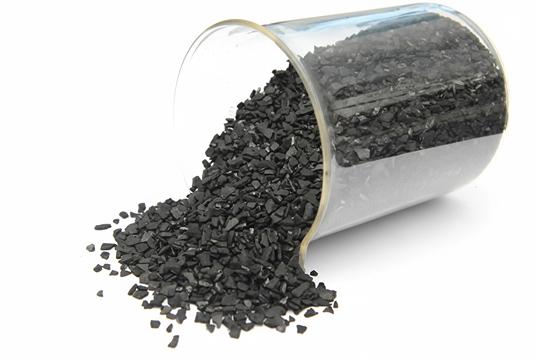
Granular Activated Carbon (GAC)
Irregular, durable particles engineered for use in fixed-bed systems. GAC offers exceptional flow characteristics and high abrasion resistance for long-term use.
Applications of GAC

Municipal and industrial water purification
Gold recovery processes (CIP/CIL)
Industrial solvent recovery
Groundwater and soil remediation
Point-of-entry water treatment filters
Condensate Polishing Unit,
Cigarette Filter,
Gas Masks and Respirators,
Air Purification
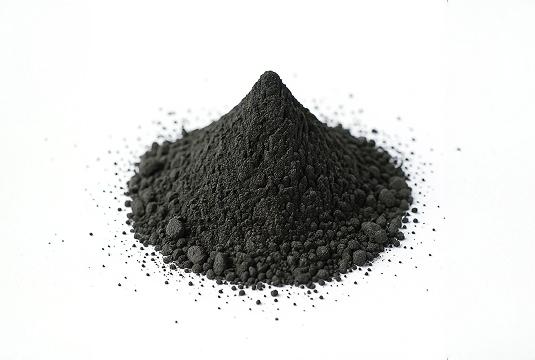
Powdered Activated Carbon (PAC)
A fine powder designed for direct dosing into liquid streams to achieve rapid adsorption. PAC is highly effective for one-time or batch treatment processes.
Applications of PAC
Control of algae toxins and other contaminants in water treatment
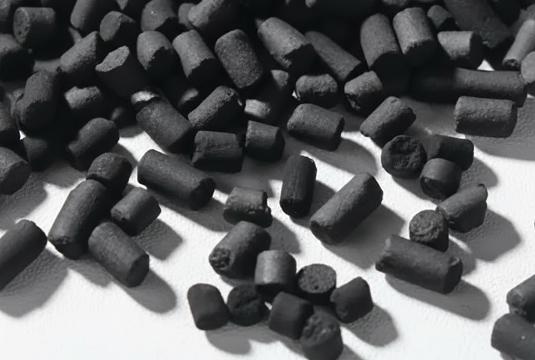
Extruded Activated Carbon (EAC)
Applications of EAC
What are the Key Properties of Activated Carbon
High Surface Area
Pore Structure
Iodine Value
Hardness/Abrasion Resistance
Density
Ash Content
pH
Particle Size Distribution (PSD)
Adsorbent Activity
What are the Applications of Activated Carbon?
Water & Waste Water Treatment
Gold Recovery
Air & Gas Purification
Mercury Removal
Biogas Purification
Food & Beverage: Edible Oil Refining (Decolorization)
Sugar Decolorization
Beverage Decaffeination
Condensate Polishing Unit
Cigarette Filter
Gas Masks and Respirators
Air Purification
Edible Oil Refinery
Flue and Gas incineration
Activated Carbon FAQs & Concerns
What is Activated Carbon?
How Adsorption Works with activated carbon?
What types of activated carbon are offered?
Coconut shell, wood, or coal-based – which is right for my application?
- Coconut shell-based: Best for small molecules, high-purity water, gold recovery, solvent recovery, and air purification requiring high hardness and long life.
- Wood-based: Suited for larger molecules, decolorization in sugar, edible oils, and chemical solutions.
- Coal-based: For large-scale municipal/industrial water treatment, remediation projects, and air/gas purification.
What are common causes of failure or reduced performance of activated alumina?
Common issues include:
- Exposure to liquid water (rather than vapour) or saturated streams — causes rapid adsorption, heat release and cracking (“rehydration damage”)
- Heavy oils, tars or polymerizable compounds fouling the pore surfaces
- Use in highly acidic (pH < 5) or highly alkaline (pH > 12) environments causing alumina dissolution
- Lack of proper particulate/oil filtration upstream, causing bed plugging or high pressure drop
These reduce performance, shorten service life, and may lead to breakdown.
What storage and handling practices should be followed for activated alumina?
- Store in a dry, sealed condition; avoid exposure to moisture or ambient humidity before use
- Protect from impact/dust generation — high attrition beads lose efficiency
- Ensure vessels are designed for good flow distribution (to avoid channelling) and loaded over inert support layers (e.g., ceramic balls)
- Prior to use, check that upstream filtration and system design supports the media life.
GAC, PAC, EAC, or Catalytic – which form should I choose?
- Granular Activated Carbon (GAC): Continuous filtration in fixed beds (e.g., water plants, groundwater remediation, gold recovery).
- Powdered Activated Carbon (PAC): Fast, one-time/batch treatments (e.g., taste/odor removal in municipal water, food decolorization).
- Extruded Activated Carbon (EAC): Air/gas applications needing low pressure drop and high mechanical strength (e.g., VOC removal, odor control).
Do I need to prepare activated carbon before use?
Most grades arrive pre-treated and ready to use. For sensitive applications (e.g., food, pharma), a quick water rinse is recommended to remove fines. Always follow the handling guidelines provided with your order.
Can I regenerate and reuse activated carbon?
How do I store activated carbon to maintain quality?
How long will it last in operation?
- Water treatment: Months to years, depending on contaminant load.
- Air/gas purification: Longer lifespan if inlet air is dry and pre-filtered.
- Gold recovery: Determined by ore characteristics and CIP/CIL circuit design. High-hardness coconut shell grades typically last the longest.
Which carbon should I use for air and gas purification?
- EAC or CAC grades are best.
- For VOC removal: Standard EAC.
- For H₂S or corrosive gases: Impregnated EAC
- For HVAC and odor control: EAC with low dust and uniform pellets.
Which carbon is ideal for (waste)water treatment?
- Coconut shell GAC for high-purity water and low-organic loads.
- Coal-based GAC for broad-spectrum municipal and industrial water treatment.
- PAC for taste/odor control, algae toxin removal, or emergency contamination events.
What about gold recovery applications?
Can you help me select the right activated carbon for my process?
Best Practices for Using Activated Carbon
Select the Right Base Material
- Coconut Shell-Based: Choose for small-molecule adsorption, high-purity water, gold recovery, solvent recovery, and high-durability needs.
- Wood-Based: Choose for large-molecule or color removal in food, beverage, and chemical industries.
- Coal-Based: Choose for versatile, cost-effective, large-scale treatment of diverse contaminants in water, air, and soil.
Match the Form to the Application
- GAC (Granular Activated Carbon): Best for continuous fixed-bed filtration with high abrasion resistance.
- PAC (Powdered Activated Carbon): Best for quick, one-time dosing in liquids.
- EAC (Extruded Activated Carbon): Best for air/gas purification with low pressure drop.
Pre-Use Preparation
- Most carbons are supplied ready for use.
- For sensitive applications (food, pharma, high-purity systems), rinse with clean water to remove fines before installation.
Optimize Contact Time & Flow Rate
- Ensure empty bed contact time (EBCT) is present in fixed-bed systems to maximize adsorption.
- Avoid excessive flow rates that cause channeling or reduced contact time.
Prevent Fouling & Blockage
- Use pre-filtration to remove suspended solids and oils before using the carbon bed.
- Avoid exposing carbon to oxidizing agents unless the grade is designed for it.
Monitor Performance Regularly
- Track breakthrough points via air/water quality testing.
- Replace/regenerate carbon bed when performance declines to prevent accidental contaminant release.
Regeneration & Replacement
- Consider thermal or chemical regeneration where feasible for cost savings.
- Some applications (especially decolorization) may require complete replacement due to irreversible fouling.
Storage & Handling
- Store in sealed, moisture-proof containers away from humidity and strong odors.
- Avoid prolonged exposure to air — activated carbon will adsorb moisture and airborne contaminants even when idle.
Safety Considerations
- Activated carbon dust is combustible — avoid any ignition sources while handling.
- Use appropriate PPE to prevent inhalation of fines.