
High-Quality Filter Media & River Sand Manufacturer and Supplier
Global Adsorbents offers a range of high-performance filter media with materials such as gravel,pebble, chips, sand, filter Sand, high silica Sand or river bed Sand being used for general water and effluent treatment needs.
Water is passed through a bed of filter media- the contaminants are trapped inside interconnecting void space and are removed. The bed can then be backwashed in cycles on a predetermined pressure drop or backwashing can simply be done after fixed time intervals.
Filter media refers to a variety of granular materials used in water filtration systems to remove impurities, suspended solids, and contaminants. These natural or processed materials work in layers or combinations to ensure efficient filtration, sediment removal, and improved water clarity.
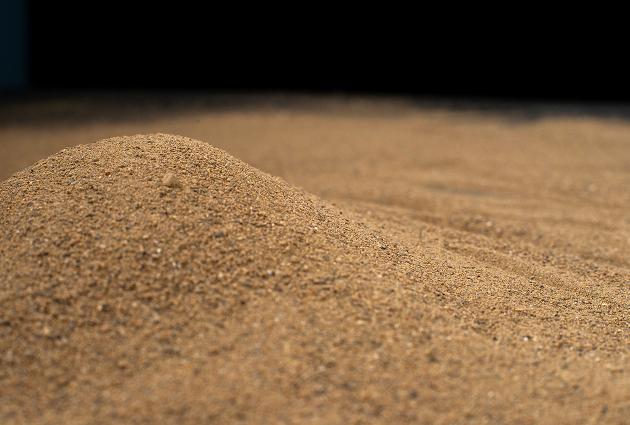
The commonly used filter media includes:

Pebbles
For support layers and drainage
Gravels
As intermediate layers
Sand
As the main filtration medium
Filter Sand
Graded sand (optimized particle size)
High Silica Sand / Quartz Sand
Chemically inert, highly durable sand with >95% SiO₂
Chips
Crushed materials like quartz or granite for enhanced filtration
These can be used in combination or individually based on application requirements.
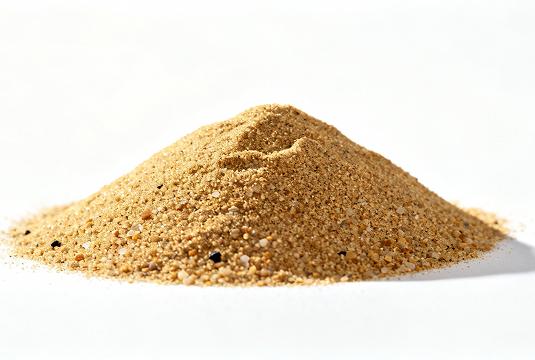
Post Purchase Technical support for Filter Media buyers
We have engineers who can advise on system design and troubleshooting
Packaging
standard 25kg, customizable, subject to minimum order qty.
Filtered Media Products - CAS number 14808-60-7
Types of Filter Media Based on Material Source
1. Quartz Filter Media (High Silica Sand or Quartz Sand)
Overview:
Quartz-based filter media is derived from naturally occurring quartz rock formations that are mined, crushed, washed, graded, and processed into specific sizes. It is known for its high silica (SiO₂) content, typically ranging from 92% to over 98%, and its angular grain shape.
Key Characteristics:
Silica Content: Very high (>92%, often 95–98%)
Hardness: Mohs scale 6.5–7
Shape: Angular or sub-angular (crushed quartz)
Color: White, off-white, or light grey
Chemical Inertness: Does not leach impurities; stable across a wide pH range
Density: Higher than river sand, improves settling properties
Advantages:
Excellent filtration performance due to angular edges (better trapping of suspended solids)
Higher mechanical strength and longevity in pressure-based filtration systems
Chemically inert and safe for drinking water applications
Consistent particle size and composition due to controlled mining and grading
Common Applications:
Reverse Osmosis (RO) and Demineralization (DM) plant pre-filtration
Multigrade and pressure sand filters in industries
Swimming pool filtration systems
Municipal water purification units
Aquaculture systems requiring high water clarity
2. River Sand-Based Filter Media (River Bed Sand or Natural Sand)
Overview:
River sand is collected directly from riverbeds and naturally deposited alluvial zones. It is primarily composed of silica but also contains varying amounts of feldspar, mica, clay, and organic matter. The grains are generally rounded and smooth, due to natural erosion.
Key Characteristics:
Silica Content: Moderate (~60–75%, depending on source)
Hardness: Lower than quartz-based sand
Shape: Rounded to sub-rounded
Color: Yellowish, brown, or light grey
Grain Texture: Smooth, less angular
Eco Origin: Naturally sourced, often used without crushing
Advantages:
Readily available and often more affordable
Smooth, rounded particles reduce abrasion to filter components
Effective for general sediment removal
Good for gravity filters or slow sand filters
Naturally graded and less processed (cost-efficient)
Common Applications:
Municipal water treatment (slow sand filters)
Landscaping and drainage filtration systems
Domestic water filtration units
Rainwater harvesting tanks
Sand bed filters in agriculture
3. Combination/Layered Use
Many advanced filtration systems use a graded combination of both quartz-based and river sand-based media:
Coarse Pebbles/Gravels at the bottom (support layer)
River Sand as an intermediate layer (natural flow dispersion)
Quartz Sand or High Silica Sand as the top/active filtration layer (fine particle removal)
This layered approach maximizes filtration efficiency, balances cost, and improves system longevity.
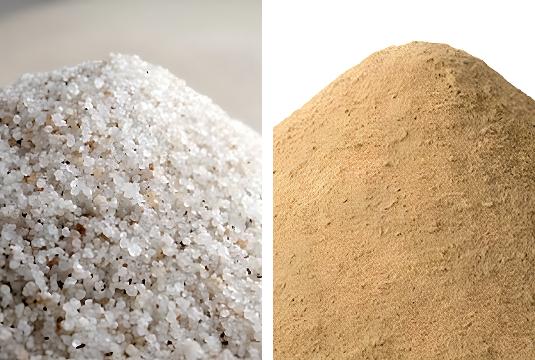
How to Choose the Right Filter Media: Quartz-Based vs. River Sand
Choose Quartz-Based Filter Media When:
Precision filtration is required (e.g., for RO plants, pharmaceutical, or high-purity water applications)
The water contains very fine suspended solids or colloidal particles
You need a long-lasting media that resists chemical breakdown or mechanical degradation
The system operates under high pressure or backwashing cycles
Consistency and certified purity (high SiO₂ content) are important
Choose River Sand Filter Media When:
You need an affordable, general-purpose solution
The water load is not very high in fine particulates
You’re dealing with gravity-based or slow sand filtration
Filtration is part of landscaping, rainwater harvesting, or small-scale municipal systems
You prioritize eco-friendliness or locally sourced materials
Use Both in Combination When:
Building a multigrade or layered filtration system
You want to balance cost-efficiency and filtration quality
System is modular or scaled, requiring coarse-to-fine filtration stages
Sediment load varies throughout the year (e.g., seasonal river water use)
How to Use Each Filter Media Effectively
Using Quartz-Based Media:
Layer Placement:
Typically forms the top filtering layer in a multigrade setup.
Grading:
Select appropriate grain size based on the application—e.g., 0.6–1.2 mm for RO prefilters.
Depth:
Recommended bed depth of 600–1000 mm depending on flow rate.
Backwashing:
Can withstand regular backwashing; required to remove trapped particles.
Compatibility:
Best suited for pressure sand filters and pre-RO cartridges.
Using River Sand Media:
Layer Placement:
Ideal as intermediate or bottom layers in slow sand filters.
Washing:
Must be thoroughly washed before use to remove silt, organic matter, and clay.
Grading:
Ensure grain size is consistent (e.g., 0.8–2 mm) to prevent channeling or clogging.
Depth:
Can be used up to 600 mm in depth depending on design.
Application:
In Gravity filtration units and municipal water schemes.
Best Practices to Extend the Life of Filter Media
| Best Practice | Description |
|---|---|
| Regular Backwashing | Clean the filter at intervals to prevent clogging and maintain flow rate. Use filtered water or air scour if required. |
| Pre-filtration | Use coarse gravel or mesh to trap large particles before they reach the sand or quartz bed. |
| Proper Grading | Always use correctly sized particles—avoid mixing sizes randomly. A well graded media setup helps improve flow and prevent media migration. |
| Routine Inspection | Every 6–12 months, inspect the media for compaction, biofilm buildup, or fouling. Replace if necessary. |
| Avoid Chemical Exposure (River Sand) | River sand may degrade or leach minerals when exposed to acidic or chemically treated water. Ensure compatibility. |
| Use Filter Underdrain Systems | Ensure proper drainage and prevent media loss during backwashing by using lateral or nozzle-based underdrain systems. |
| Prevent Media Contamination | Store media in dry, clean areas before use to prevent contamination with oils, dust, or organic waste. |
| Layering Matters | Place coarse to fine media in correct order—Pebbles → Gravel → River Sand → Quartz Sand—for optimal results. |
Filtered Media FAQs
What options of filter media are available?
- Quartz-Based Filter Sand (High Silica Sand)
- River Bed Sand
- Gravels
- Pebbles
- Chips (Crushed quartz or granite-based)
These are available individually or as part of a graded filtration system.
How do I choose between Quartz sand and River sand?
- Choose Quartz Sand for high-performance, industrial, or RO systems—it offers higher filtration efficiency and durability.
- Choose River Sand for cost-effective, general-purpose, or gravity filtration systems.
For best results, we often recommend using both in layers.
Is the filtered water suitable for consumption?
Can I request custom sizes or grading?
How is the product packaged?
- 25 kg or 50 kg HDPE woven bags
- Jumbo bags (500 kg to 1 MT)
- Custom packaging upon request
How do I maintain filter media for long-term use?
- Perform regular backwashing to clean the bed
- Ensure correct media layering
- Inspect media annually for signs of wear or compaction
- Store unused media in a dry, uncontaminated space
We also provide detailed guidance post-purchase.
Do you ship internationally?
What is the typical lifespan of filtered media in a [specific application, e.g., Municipal water purification units] system before regeneration or replacement is needed?
What quality control procedures are taken while manufacturing filtered media to ensure product consistency?
Compliance with ISO standards and GMP practices ensures product consistency and safety.
What are your lead times for bulk orders of filtered media, and what are your contingency plans for supply chain disruptions?
For supply chain disruptions, contingency plans include maintaining safety stock, multi-supplier sourcing, and priority logistics arrangements to ensure uninterrupted delivery.